



Kumauni University, Nainital, Uttarakhand
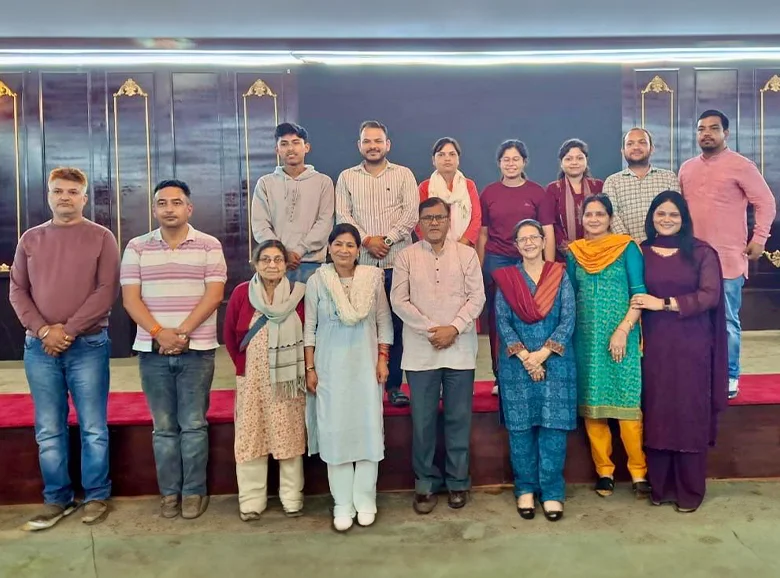
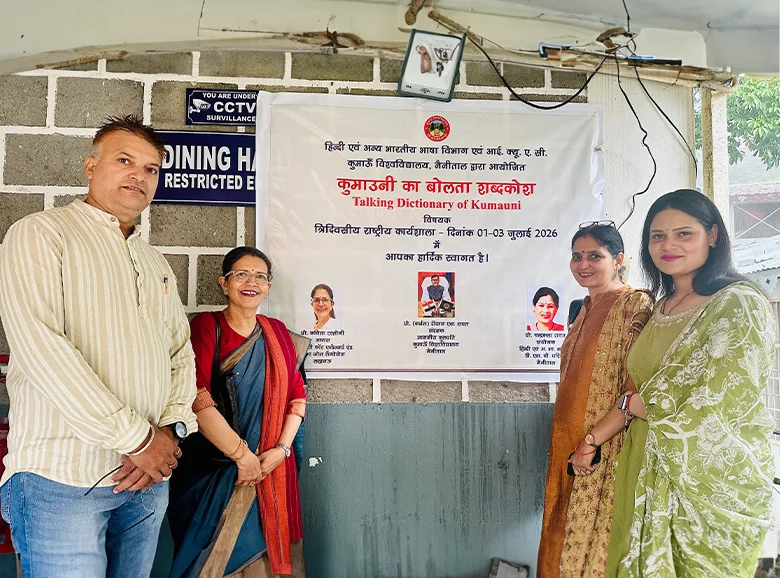
Kumauni University, Nainital, UttarakhandThe Society for Endangered and Lesser-Known Languages (SEL) conducted a three-day workshop at Kumauni University as part of its ongoing Kumauni Talking Dictionary Project. The workshop brought together members of the SEL team and local participants with the objective of documenting two varieties of Kumauni—Khasparjia and Soryali—and developing a digital linguistic resource for future generations.
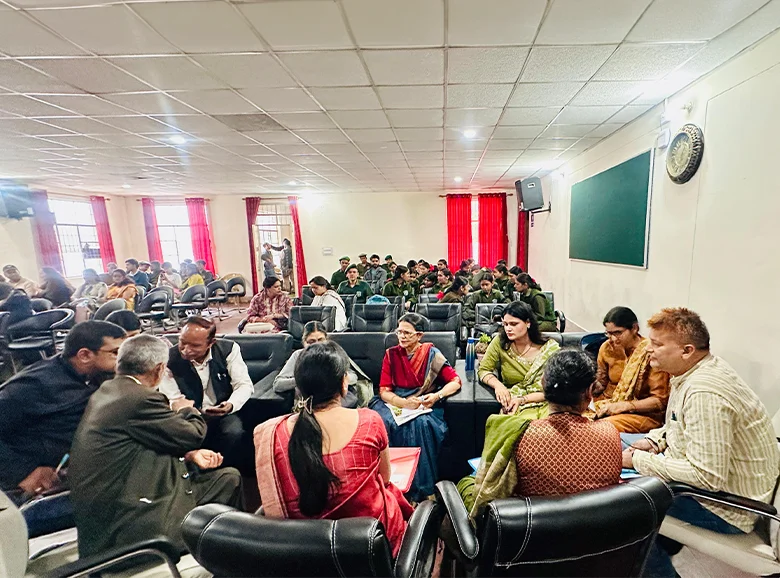
The workshop introduced participants to the complete workflow involved in developing a Talking Dictionary, including audio recording, transcription in the International Phonetic Alphabet (IPA), Devanagari representation, metadata preparation, and digital archiving. The emphasis was on systematic and scientifically reliable documentation of the language as it is actually spoken by its native speakers.
During the three days, the SEL team, comprising three team members and the President of SEL, Dr. Kavita Rastogi, not only familiarized the participants with the methodology but also carried out practical documentation. Approximately 2,000 lexical items from the two Kumauni varieties were recorded from native speakers. Their IPA transcriptions and Devanagari forms were prepared, along with the necessary metadata for each entry. Thus, the workshop resulted in the creation of a substantial body of primary linguistic data that will form an important foundation for the Kumauni Talking Dictionary.
A significant component of the workshop was local capacity building. Two local students were trained in the processes of recording, transcription, metadata preparation, and data management. Their training is intended to enable them to continue supporting the project locally and to address technical or procedural difficulties that may arise during subsequent stages of data collection and processing.
The workshop reflects SEL’s commitment to participatory and community-oriented language documentation. By involving local students and speakers in the documentation process, the project aims not only to create a valuable linguistic archive but also to develop local capacity for the continued documentation and preservation of Kumauni.
SEL gratefully acknowledges the cooperation and support of Prof. Chandrakala Rawat, Prof. Uma Bhatt and Kumauni University, the local speakers, students, and all those who contributed to the successful completion of the three-day workshop.
Key Outcomes:
- Documentation of two Kumauni varieties: Khasparjia and Soryali
- Approximately 2,000 lexical items recorded from native speakers
- Preparation of IPA transcriptions and Devanagari forms